

Dubai’s new building safety law explained: certificates, inspections, fines and key rules you need to know
Latest regulation applies across emirate including free zones and private developments
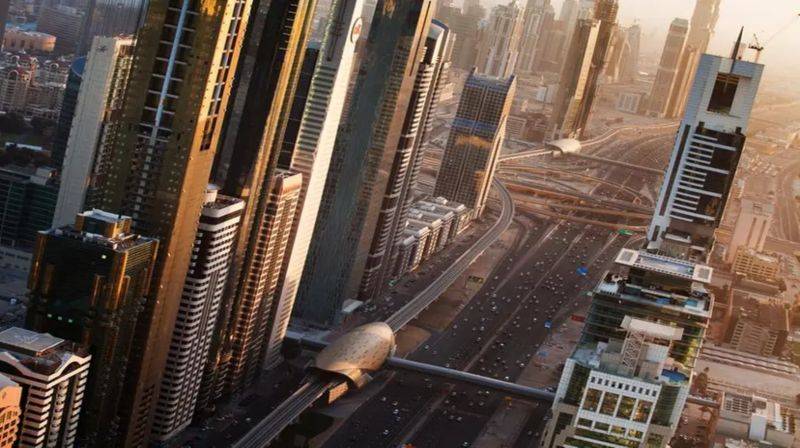
DUBAI – Dubai has introduced a comprehensive new legal framework aimed at strengthening the quality, safety and long-term sustainability of buildings across the emirate.
The legislation outlines clear responsibilities for building owners, engineering offices and authorities, while introducing new certification and inspection requirements.
Issued by His Highness Sheikh Mohammed bin Rashid Al Maktoum, Vice President and Prime Minister of the UAE and Ruler of Dubai, Law No. (3) of 2026 on the quality and safety of buildings seeks to ensure structures remain safe, well maintained and fit for use throughout their lifecycle.
Mohammed bin Rashid issues Law on the quality and safety of buildings in the emirate of Dubai. The Law aims to ensure the quality, safety and sustainability of buildings in Dubai by maintaining structural integrity, ensuring regular maintenance and supporting the safe operation… pic.twitter.com/QVIoIJhifg
— Dubai Media Office (@DXBMediaOffice) March 10, 2026
The law aims to improve occupant comfort, reduce the risk of accidents, protect lives and property, and enhance the aesthetic and architectural standards that define Dubai’s urban landscape.
Who it applies to
The law applies to all buildings across the Emirate of Dubai, regardless of when they were constructed.
This includes properties located in private development areas and free zones such as the Dubai International Financial Centre. Both newly built structures and existing buildings must comply with the requirements set out in the legislation.
The broad scope ensures that the same safety, maintenance and inspection standards apply throughout the emirate’s built environment.
Role of authorities
Dubai Municipality has been assigned primary responsibility for overseeing the implementation of the law.
The authority will establish a digital building management system and maintain a unified database containing information about buildings across the emirate. This system will support inspections, track maintenance records and help authorities monitor structural safety.
Dubai Municipality will also conduct periodic assessments of buildings, set sustainability standards and regulate materials used in construction and maintenance.
Authorities will be responsible for investigating building-related incidents, enforcing corrective measures and promoting modern technologies that enhance structural safety and operational efficiency.
Safety certificate
A key requirement introduced by the law is the Quality and Safety Certificate.
This certificate confirms that a building meets the structural and technical standards set out under the legislation. It can only be issued after a licensed engineering office conducts a comprehensive inspection and prepares a technical assessment of the building.
The inspection evaluates structural integrity, building systems and overall safety conditions.
Building owners must obtain this certificate after construction is completed and address any defects identified during the inspection process.
Responsibilities of owners
The law places several responsibilities on building owners to ensure properties remain safe and properly maintained.
- Owners must appoint a licensed engineering office to carry out assessments and prepare the technical report required for the Quality and Safety Certificate.
- They are also required to carry out periodic maintenance for buildings that are less than 20 years old and promptly repair any structural or technical defects that may endanger occupants, neighbouring properties or surrounding infrastructure.
- Authorities must be granted access to conduct inspections, and owners are required to allow repair works when necessary.
- Importantly, maintenance responsibilities continue even after the safety certificate has been issued.
Validity of certificates
The validity period of the Quality and Safety Certificate depends on the age of the building.
- For buildings that are less than 40 years old, the certificate remains valid for 10 years from the date of the completion certificate.
- Buildings that are 40 years old or more will receive a certificate valid for five years.
Certificates may be renewed for similar periods. The detailed procedures and conditions for renewal will be determined by a decision issued by the Chairman of The Executive Council of Dubai.
Tenant protections
The legislation also addresses situations in which buildings are approved for demolition.
In such cases, the tenant eviction rules set out in Law No. (26) of 2007 regulating landlord-tenant relationships in Dubai will apply.
Tenants who vacate a building due to demolition or major repairs will have priority to return once reconstruction or maintenance works are completed.
They will also be entitled to rent the unit at the same rental value specified in their original contract, unless both parties agree to different terms.
Fines and penalties
Violations of the law may lead to financial penalties ranging from Dh100 to Dh1,000,000, depending on the severity of the breach.
- Repeat violations within two years may result in doubled fines of up to Dh2,000,000.
- Authorities may also take additional administrative measures, including suspending building permits, halting property-related transactions with government or private entities, and stopping lease certifications until violations are corrected.
These actions may involve coordination with authorities such as the Dubai Land Department.
The law also states that administrative penalties do not prevent violators from being held accountable under civil or criminal law. Engineering offices and contractors remain responsible for fulfilling their legal obligations.
Appeals and enforcement
Individuals or entities affected by decisions under the law may file a written appeal with the Director General of Dubai Municipality or the relevant authority within 30 days of receiving notification.
- A committee will review the appeal and issue a final decision within 30 days.
- Authorities implementing the law may also request support from other government entities, including police authorities, which are required to provide assistance when needed.
- Building owners, contractors and engineering offices must comply with the law within one year from its effective date. The Chairman of The Executive Council of Dubai may extend this deadline if required.
- Implementation decisions will be issued by the Director General of Dubai Municipality or the relevant authority, except in cases reserved for the Chairman of The Executive Council.
The law will be published in the Official Gazette and will come into force 60 days after publication, with any conflicting provisions in other legislation annulled.